
Larry

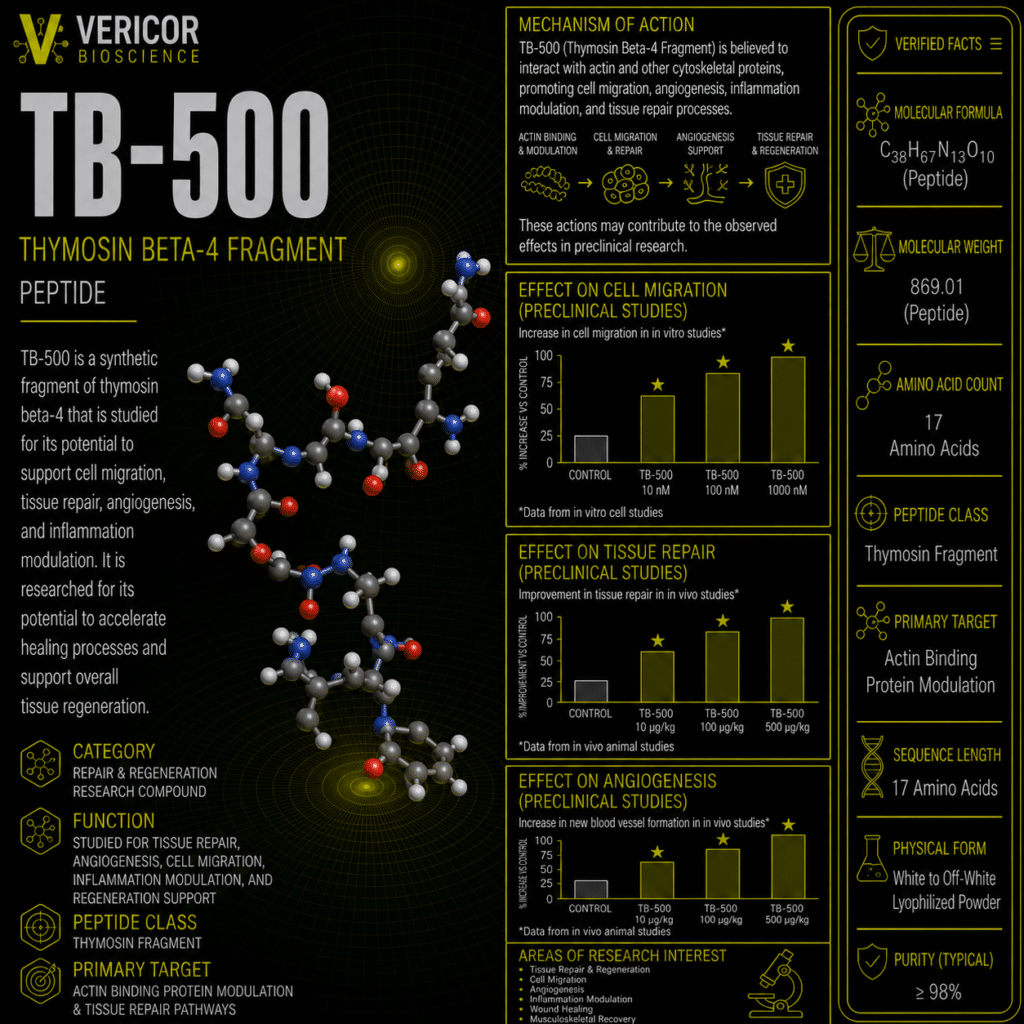
TB-500

TB-500: Research, Tissue-Repair Claims, Safety, and U.S. Status

TB-500 has gained attention in the United States through online claims about faster recovery, tendon repair, muscle healing, flexibility, inflammation, and athletic performance. However, most of those claims are not supported by controlled human studies. TB-500 is an experimental seven-amino-acid peptide fragment related to thymosin beta-4, but it is not the same substance as the

TB-500: Research, Tissue-Repair Claims, Safety, and U.S. Status Read More »
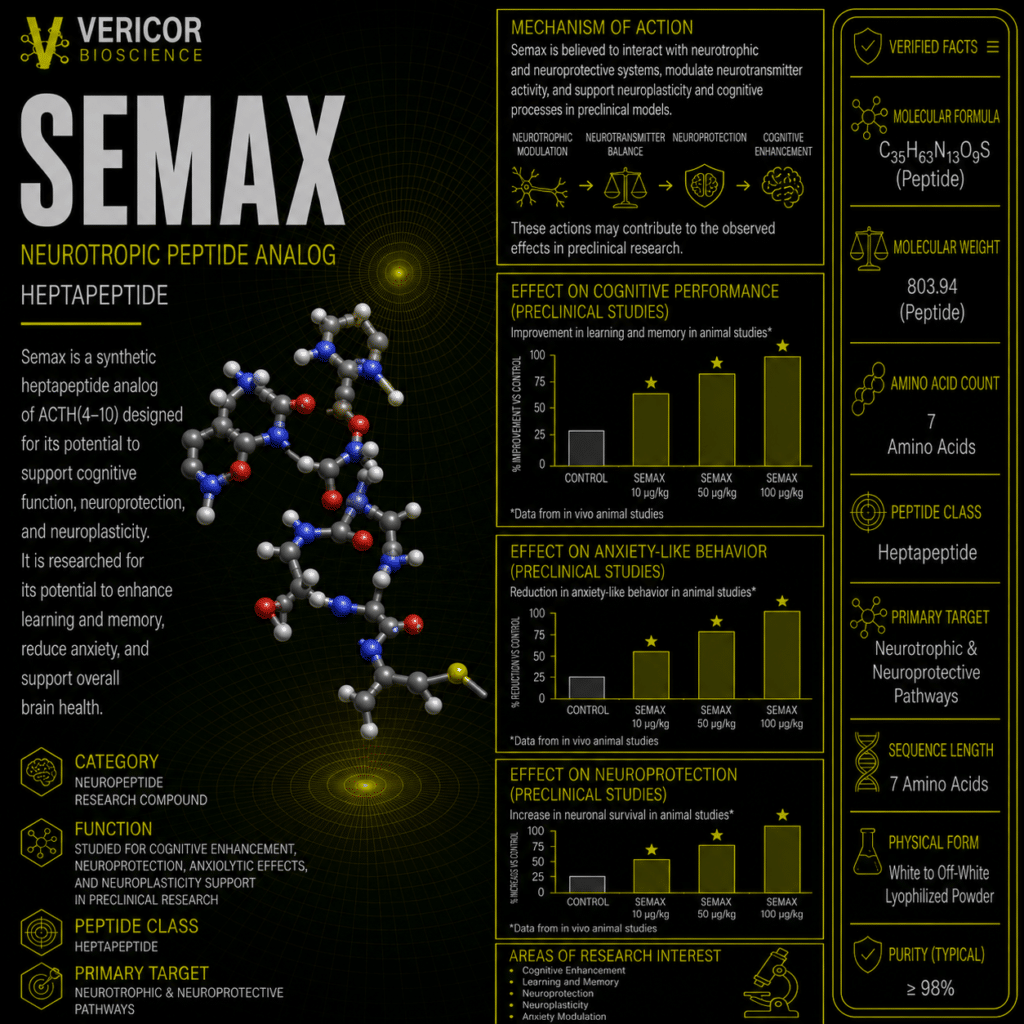
Semax

Semax: Research, Proposed Benefits, Safety, and U.S. Status

Semax is an experimental peptide that has attracted growing interest in the United States for its proposed effects on cognition, attention, memory, neurological recovery, and resistance to stress. However, many online descriptions present early laboratory findings as established human benefits. The available evidence does not support that level of certainty. From an evidence-review perspective, Semax

Semax: Research, Proposed Benefits, Safety, and U.S. Status Read More »
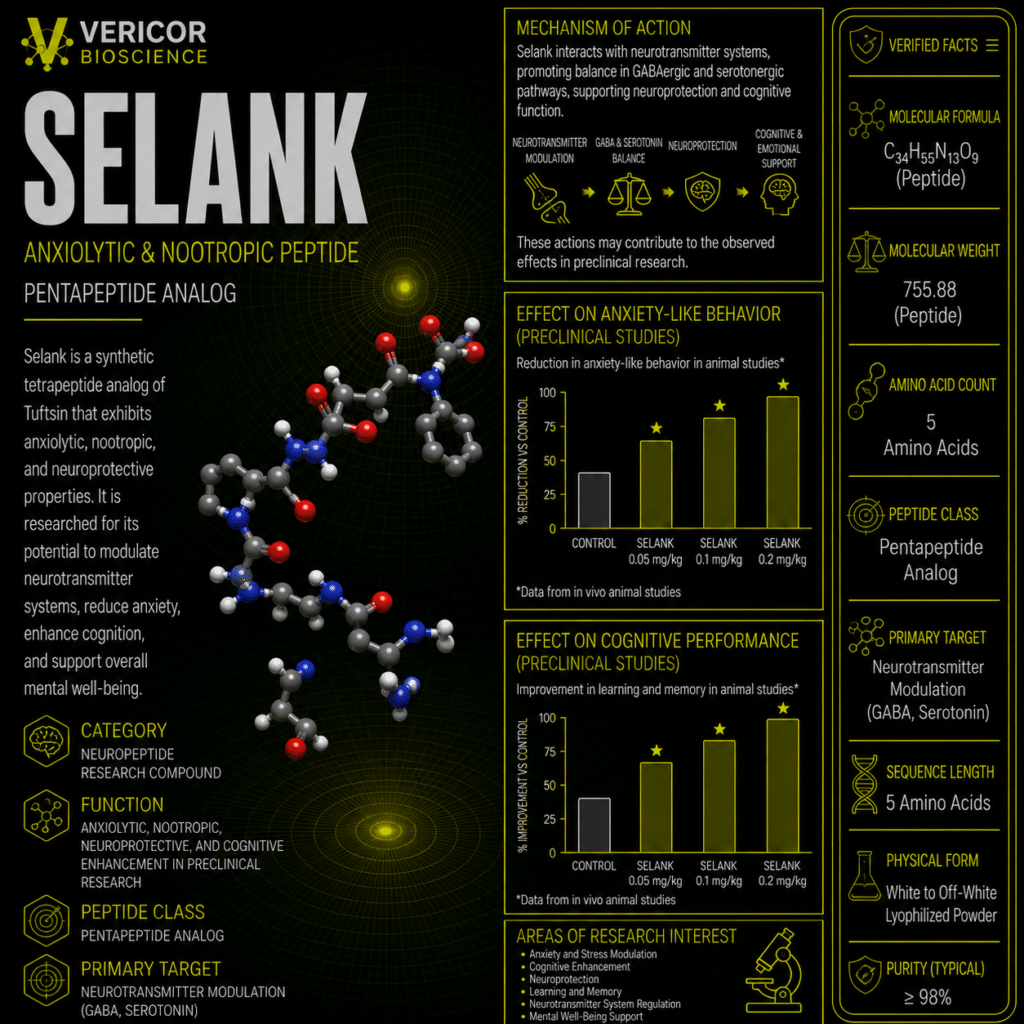
Selank

Selank: Research, Proposed Effects, Safety, and U.S. Status

Selank is an experimental peptide that has gained attention in the United States through online discussions about anxiety, stress, cognition, mood, and mental performance. However, the strength of the claims often exceeds the strength of the evidence. Although several laboratory and small human studies are interesting, Selank is not an FDA-approved treatment for anxiety, depression,

Selank: Research, Proposed Effects, Safety, and U.S. Status Read More »
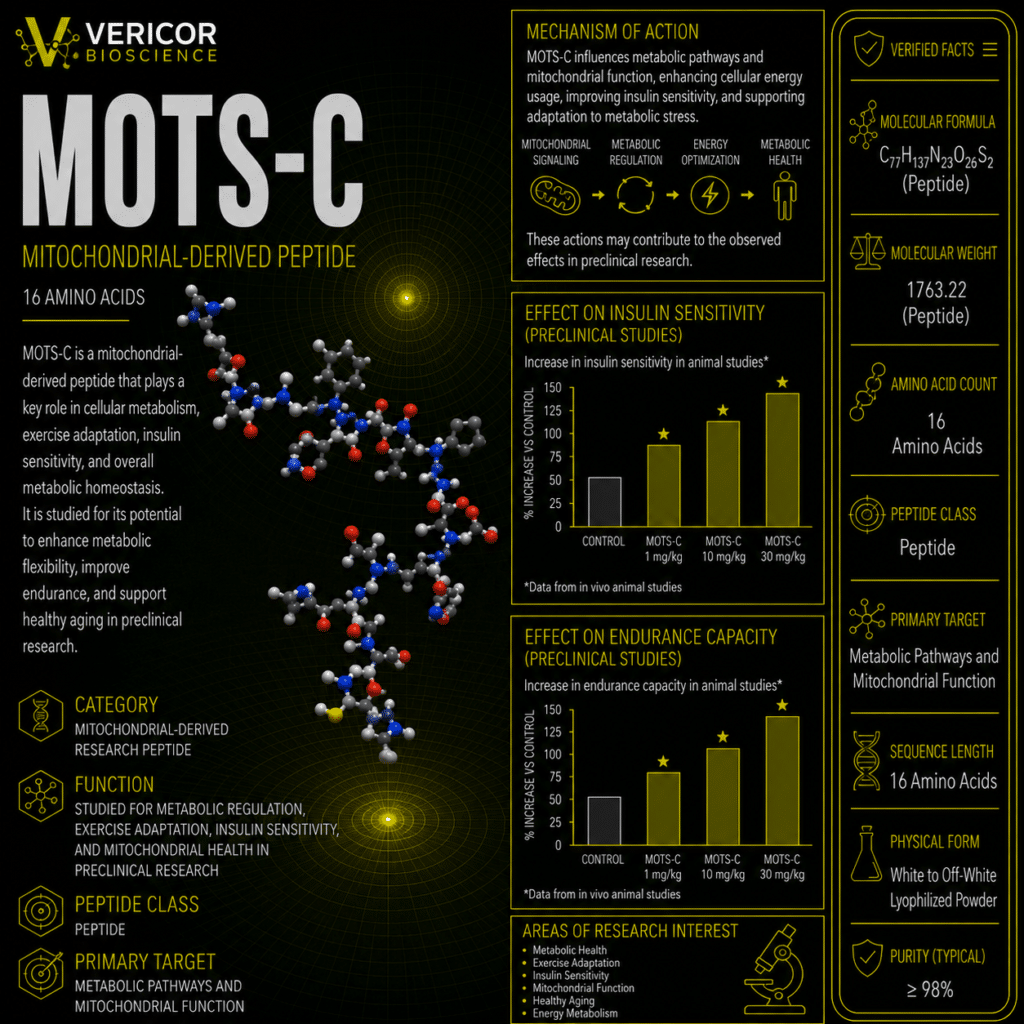
MOTS-C

MOTS-C: Research, Potential Benefits, Safety, and U.S. Status

MOTS-C has attracted growing attention among researchers studying mitochondrial communication, metabolic health, exercise adaptation, insulin sensitivity, and healthy aging. However, online discussions often present laboratory findings as if they were proven human benefits. That is not accurate. Although early results are scientifically interesting, most evidence still comes from cell experiments, animal models, observational studies, and

MOTS-C: Research, Potential Benefits, Safety, and U.S. Status Read More »
BPC157

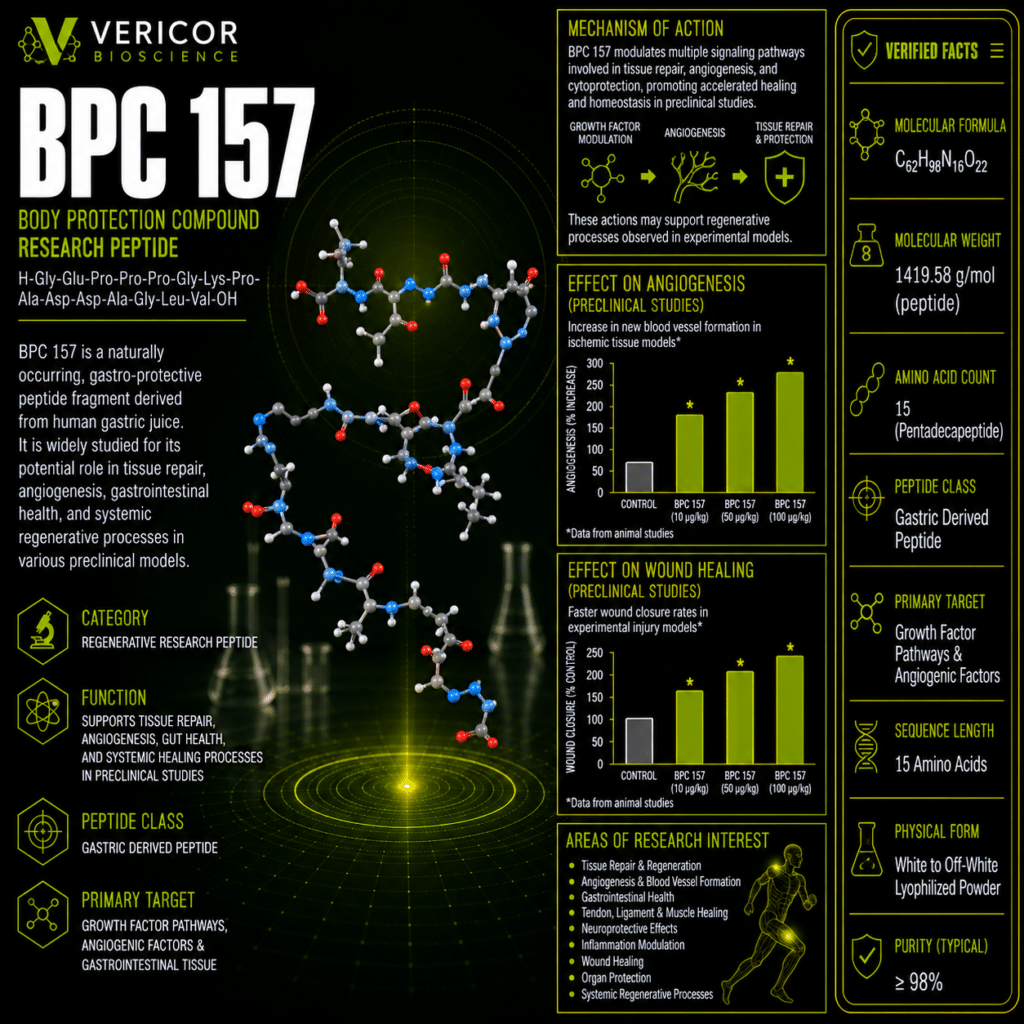
BPC-157: Research, Recovery Claims, Safety, and U.S. Status

BPC-157 is an experimental peptide widely promoted in the United States for tendon repair, muscle recovery, joint pain, wound healing, and digestive health. However, most supporting evidence comes from laboratory and animal studies. BPC-157 is not an FDA-approved medication, and researchers have not established a safe, effective human dose for any medical condition. Online discussions

BPC-157: Research, Recovery Claims, Safety, and U.S. Status Read More »
Epitalon

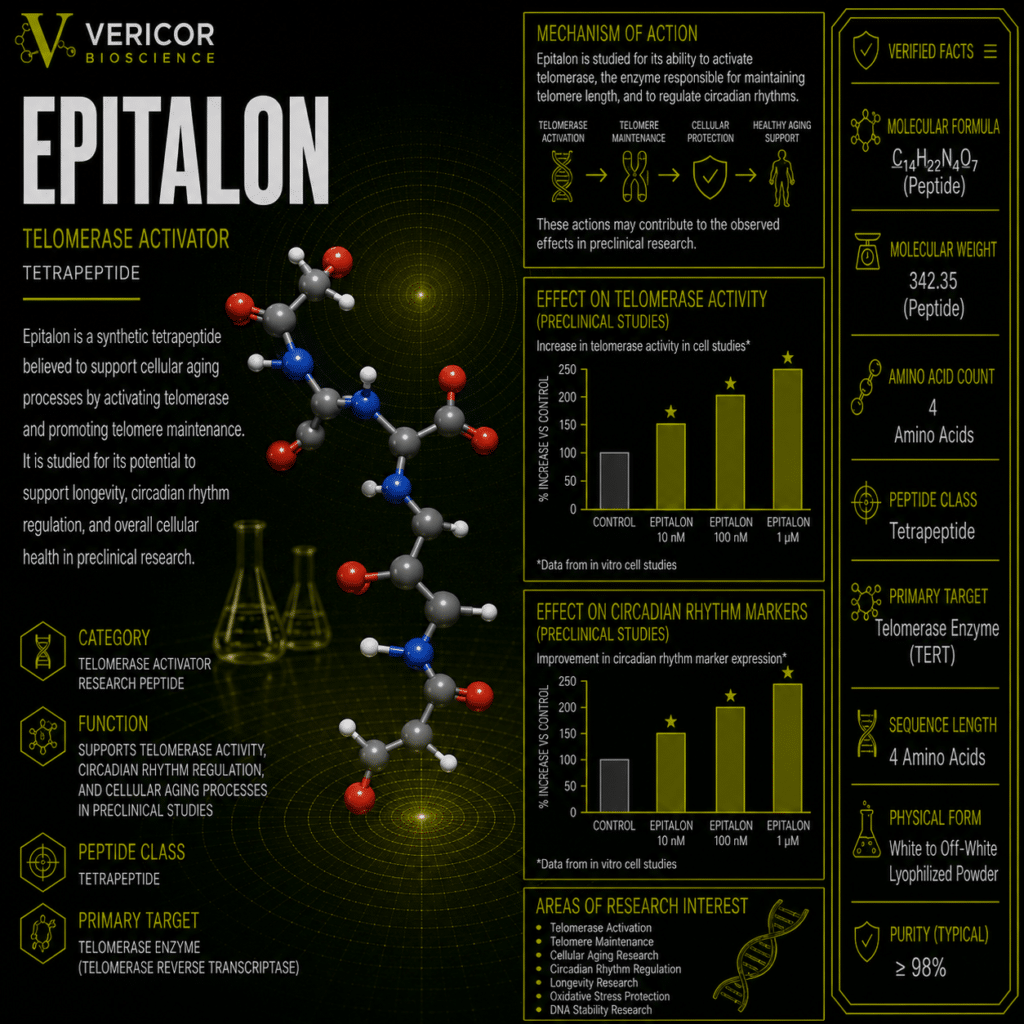
Epitalon: Research, Proposed Benefits, Safety, and U.S. Status

Epitalon is an experimental four-amino-acid peptide promoted online for longevity, telomere support, sleep, and age-related health concerns. Although laboratory and animal studies have produced findings that justify further investigation, Epitalon is not an FDA-approved anti-aging medication, sleep treatment, or life-extension therapy in the United States. Interest in the peptide has grown because certain studies suggest

Epitalon: Research, Proposed Benefits, Safety, and U.S. Status Read More »
NAD+

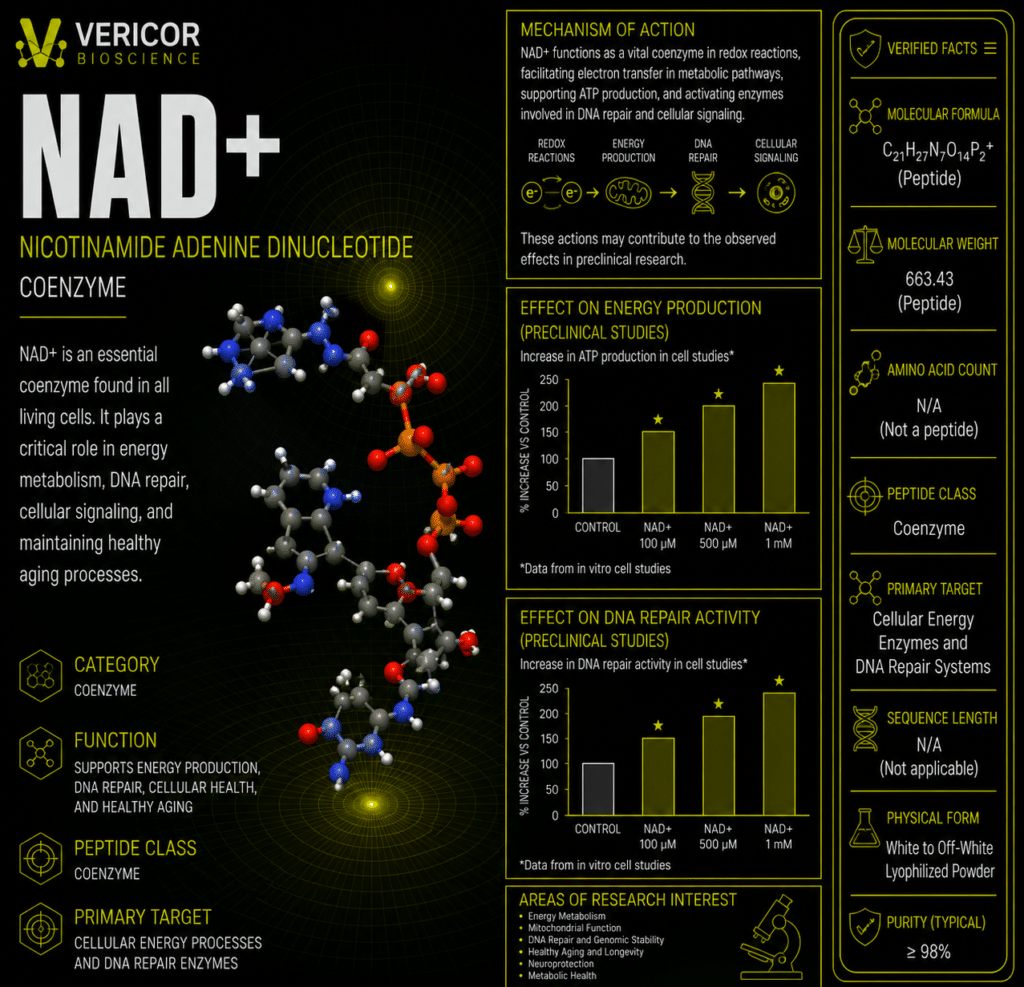
NAD+: Functions, Potential Benefits, Safety, and Current Research

NAD+ is an essential molecule found in every living human cell. It helps cells turn nutrients into usable energy and supports enzymes involved in DNA repair, stress responses, and cellular signaling. Interest in NAD+ has grown across the United States, especially among people researching healthy aging, fatigue, metabolic health, supplements, and intravenous wellness treatments. However,

NAD+: Functions, Potential Benefits, Safety, and Current Research Read More »

KPV

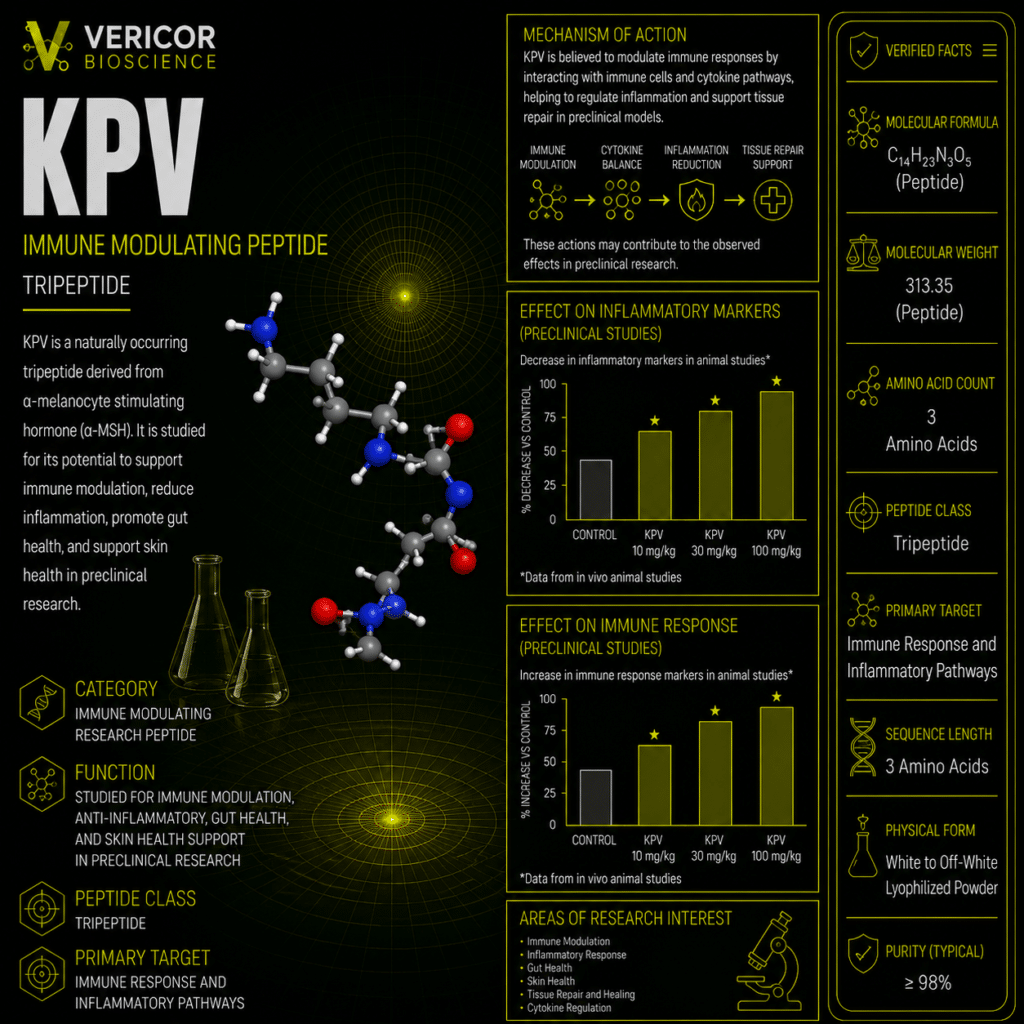
KPV Peptide: Research, Potential Uses, Safety, and U.S. Status

KPV is a short peptide that has attracted interest in the United States because laboratory and animal studies suggest possible anti-inflammatory activity. Online discussions often connect it with intestinal inflammation, skin health, wound healing, and immune regulation. However, the available evidence remains largely preclinical, and KPV is not an FDA-approved treatment for any disease or

KPV Peptide: Research, Potential Uses, Safety, and U.S. Status Read More »
Shopping Cart

Popular Searches