Vericor

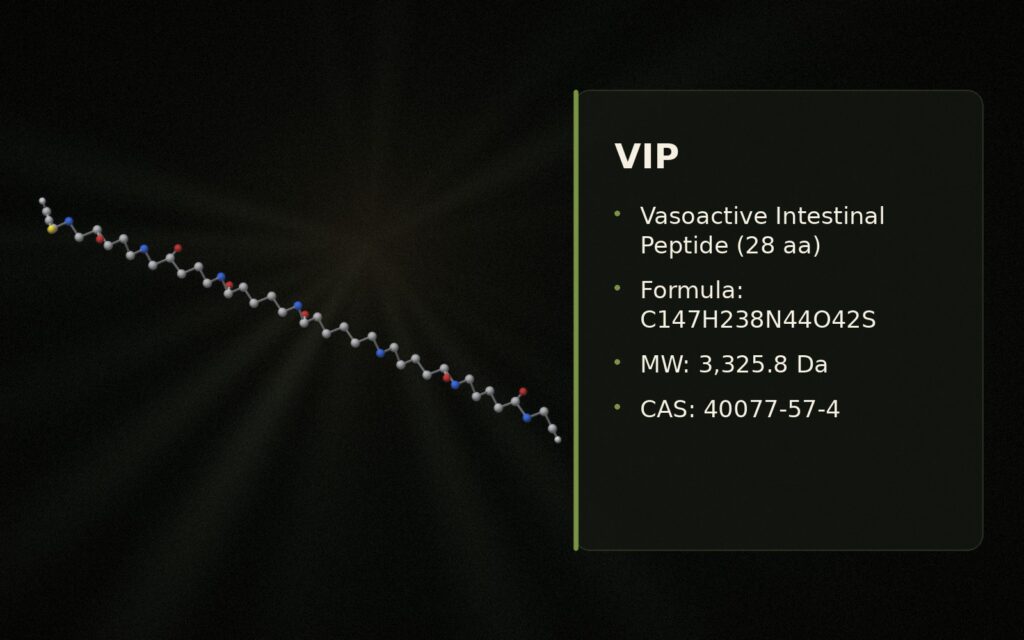
VIP (Vasoactive Intestinal Peptide): Research Guide to Mechanism, Findings & Regulatory Status

VIP (Vasoactive Intestinal Peptide): Research Guide to Mechanism, Findings & Regulatory Status

VIP — Vasoactive Intestinal Peptide — occupies an unusual position in the peptide research catalog: unlike most synthetic research peptides, it is a naturally occurring hormone that the human body already produces and uses continuously, in the gut, the brain, and the immune system. That “endogenous” status has generated a large, legitimate body of basic-science
VIP (Vasoactive Intestinal Peptide): Research Guide to Mechanism, Findings & Regulatory Status Read More »

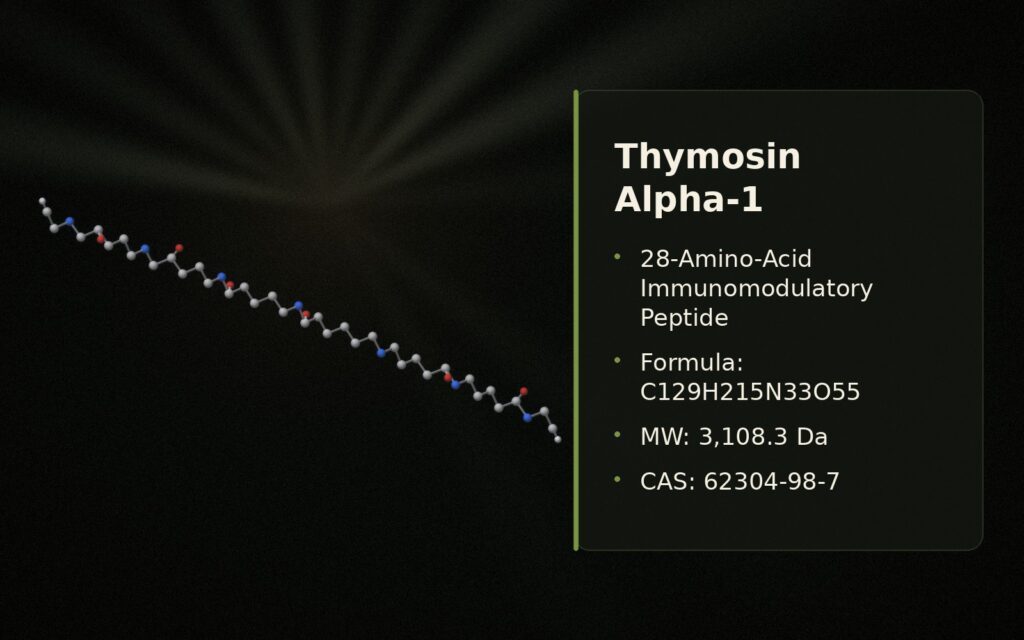
Thymosin Alpha-1 Research Guide: Mechanism, Global Regulatory Status & the Zadaxin Distinction

Thymosin Alpha-1 Research Guide: Mechanism, Global Regulatory Status & the Zadaxin Distinction

This article is provided strictly for laboratory research use only (RUO). Thymosin Alpha-1, as offered by Vericor Bioscience, is not for human use, is not a drug, and is not the same product as Zadaxin, the branded thymosin alpha-1 pharmaceutical approved for prescription use in a number of countries outside the United States. Thymosin Alpha-1

Thymosin Alpha-1 Research Guide: Mechanism, Global Regulatory Status & the Zadaxin Distinction Read More »

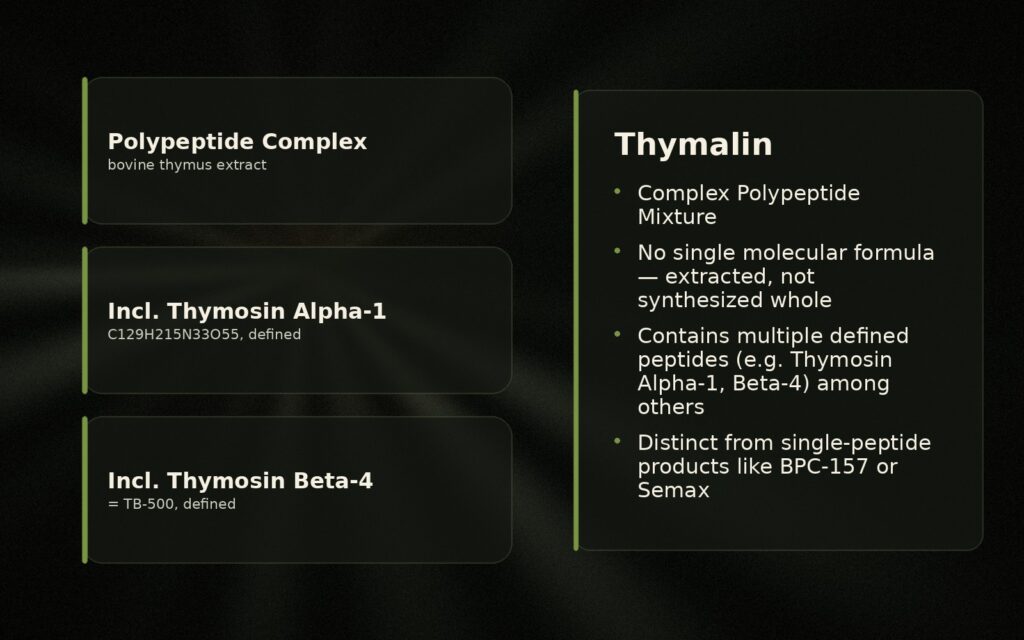
Thymalin Research Guide: Composition, Origins & Regulatory Status

Thymalin Research Guide: Composition, Origins & Regulatory Status

Thymalin is a research-use-only calf thymus polypeptide extract, not a single defined molecule, and it is not approved for human use in the United States. This guide is written strictly for laboratory researchers, procurement teams, and academic audiences evaluating Thymalin as a research compound — nothing here describes, recommends, or implies dosing, injection, or administration

Thymalin Research Guide: Composition, Origins & Regulatory Status Read More »

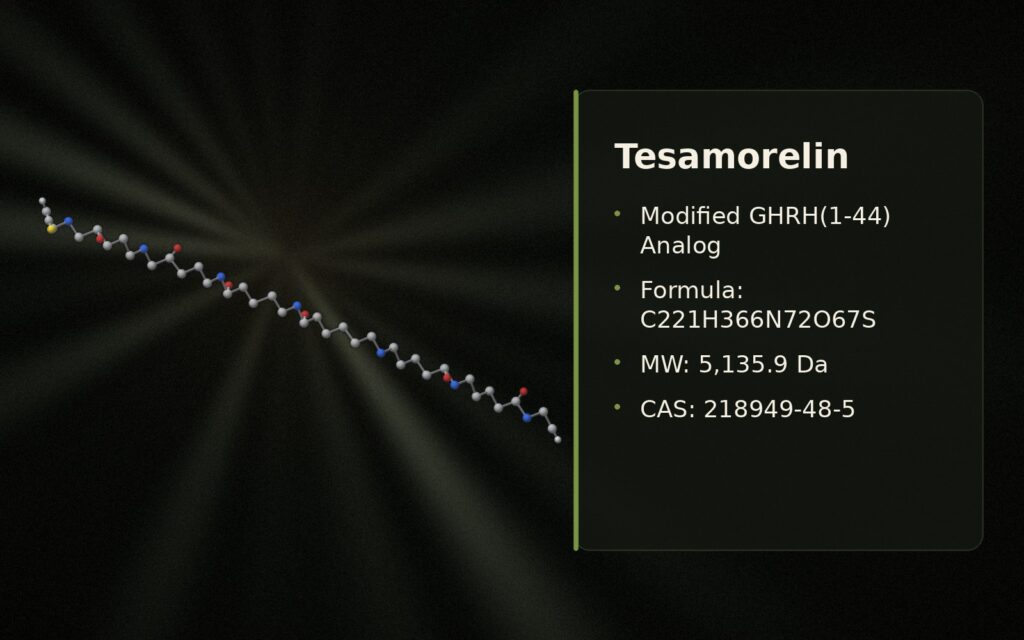
Tesamorelin Research Guide: Mechanism, Regulatory Status & the Egrifta Distinction

Tesamorelin Research Guide: Mechanism, Regulatory Status & the Egrifta Distinction

This article is provided strictly for laboratory research use only (RUO). Tesamorelin, as offered by Vericor Bioscience, is not for human use, is not a drug, and is not the same product as the FDA-approved prescription medication Egrifta. Nothing below should be read as dosing guidance, clinical advice, or an endorsement of any use outside

Tesamorelin Research Guide: Mechanism, Regulatory Status & the Egrifta Distinction Read More »

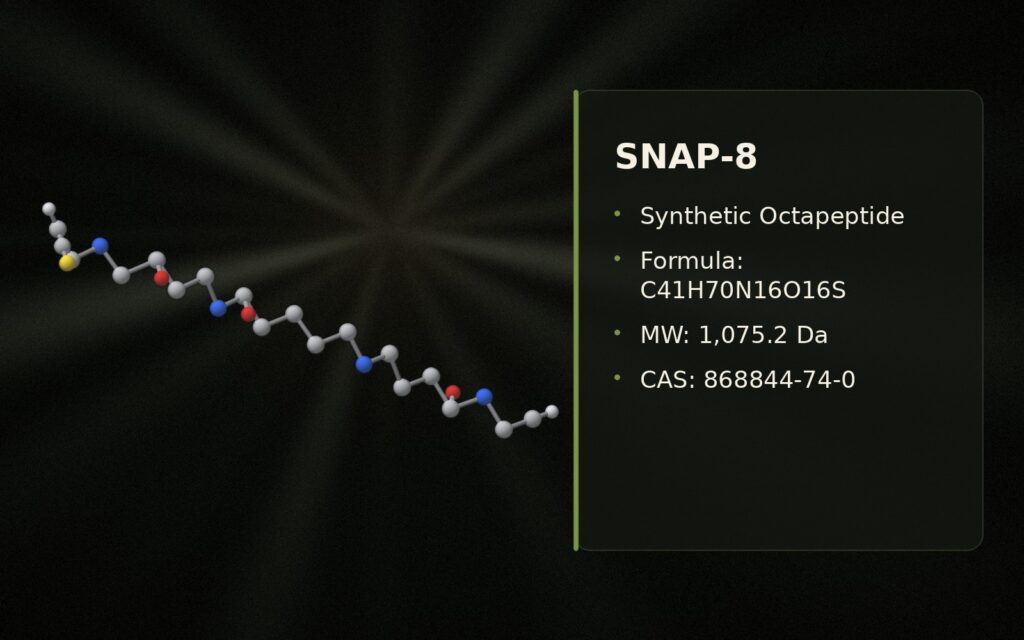
SNAP-8 (Acetyl Octapeptide-3): Research Applications, Mechanism & Regulatory Status

SNAP-8 (Acetyl Octapeptide-3): Research Applications, Mechanism & Regulatory Status

SNAP-8, also known by its INCI name Acetyl Octapeptide-3, is a synthetic peptide studied primarily in cosmetic-science and dermal-biology research for its proposed interference with SNARE-complex-mediated neurotransmitter release. This article is written for laboratory researchers and procurement personnel and is provided strictly for laboratory research use only — SNAP-8 is not a drug, not an

SNAP-8 (Acetyl Octapeptide-3): Research Applications, Mechanism & Regulatory Status Read More »

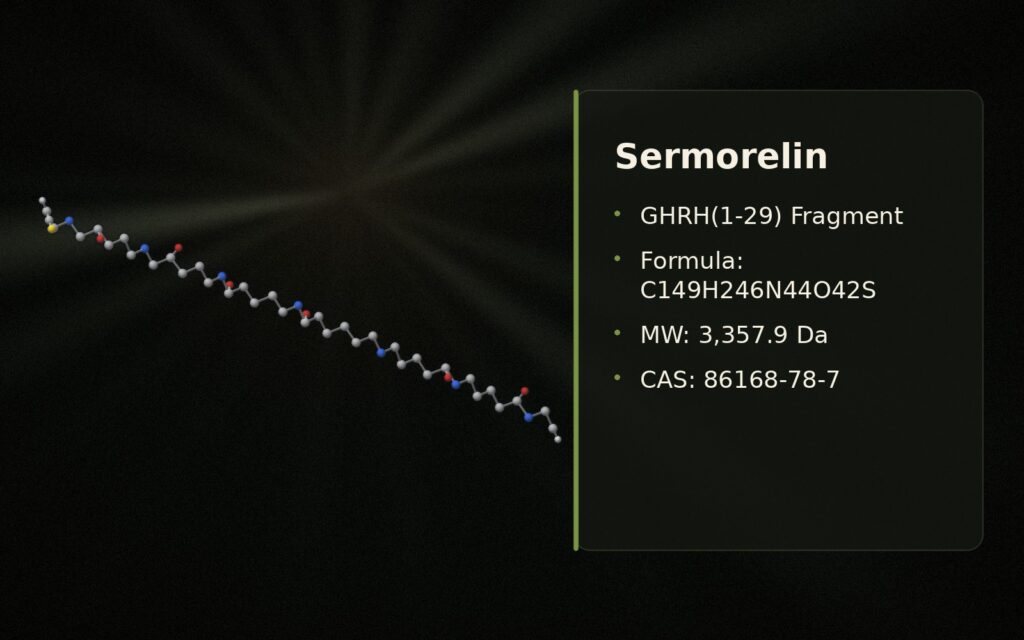
Sermorelin Research Guide: Chemical Identity, the Geref/FDA History, and Evidence Review

Sermorelin Research Guide: Chemical Identity, the Geref/FDA History, and Evidence Review

Sermorelin occupies an unusual position among growth-hormone-releasing-hormone (GHRH) analogs studied in laboratory research: unlike most peptides in this category, it was once an FDA-approved pharmaceutical, sold under the brand name Geref, before the manufacturer discontinued it for commercial reasons in 2008–2009. That history matters, and getting it right matters more, because it is easy —

Sermorelin Research Guide: Chemical Identity, the Geref/FDA History, and Evidence Review Read More »

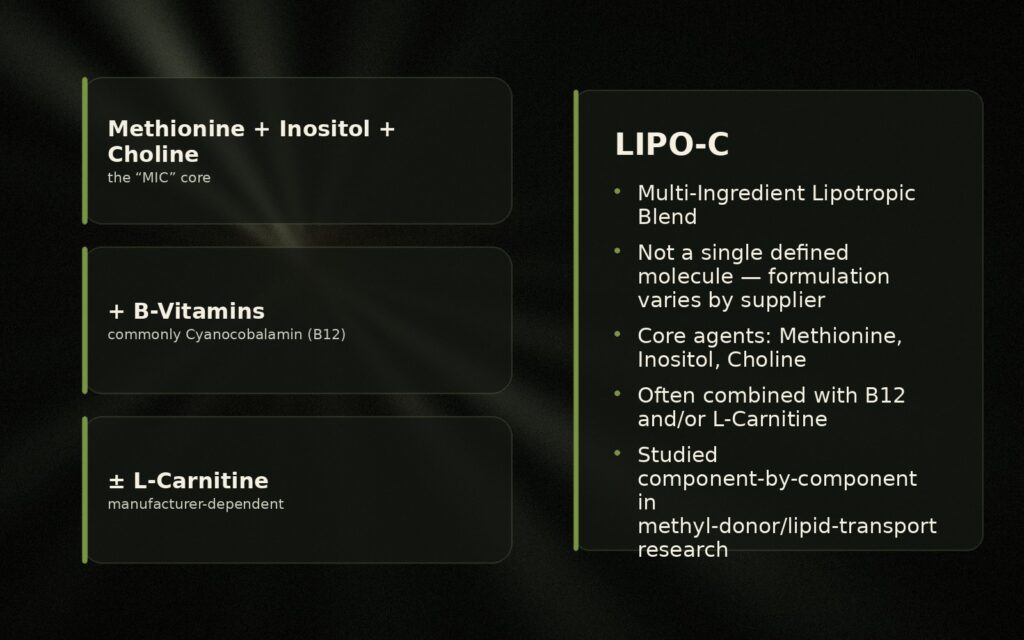
LIPO-C Research Guide: Composition, Lipotropic Biochemistry & Regulatory Status

LIPO-C Research Guide: Composition, Lipotropic Biochemistry & Regulatory Status

LIPO-C is a blend name used across the compounding and research-chemical marketplace for a combination of nutritional and biochemical agents — most commonly methionine, inositol, and choline (the “MIC” core), frequently combined with B-vitamins such as cyanocobalamin (B12) and sometimes L-carnitine. It is not a single defined molecule, and it is not a weight-loss or

LIPO-C Research Guide: Composition, Lipotropic Biochemistry & Regulatory Status Read More »

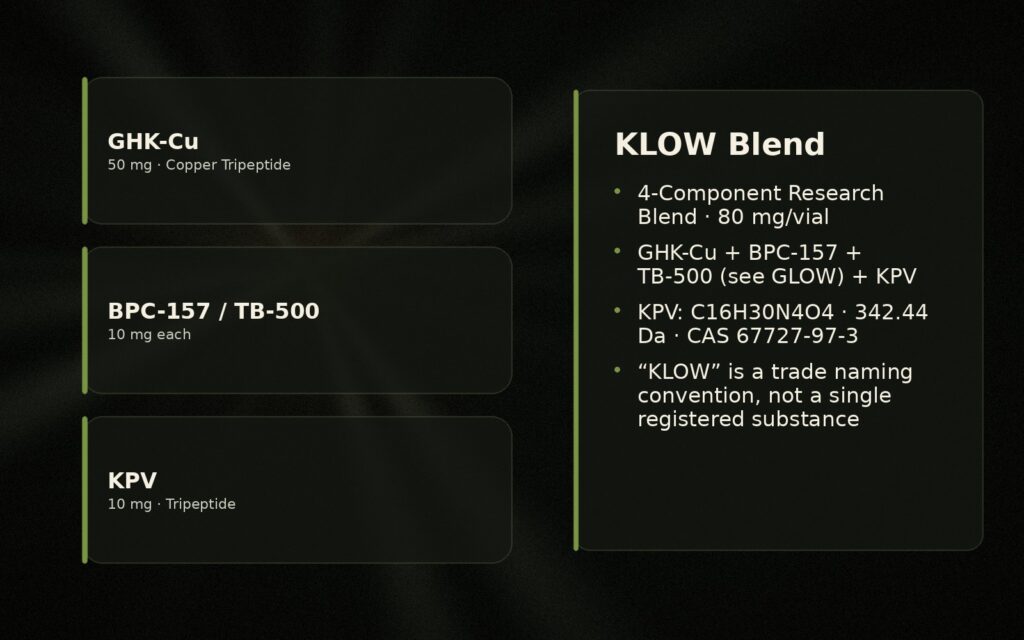
KLOW Blend Research Guide: Composition, Component Chemistry, and Evidence Review

KLOW Blend Research Guide: Composition, Component Chemistry, and Evidence Review

“KLOW” is a four-peptide combination research product — the same three-peptide “GLOW” combination (GHK-Cu, BPC-157, TB-500) with a fourth peptide, KPV, added. Like GLOW, it is not a single compound in its own right, and this guide is structured accordingly: rather than describing one molecule’s mechanism and evidence base, it explains what’s actually in the

KLOW Blend Research Guide: Composition, Component Chemistry, and Evidence Review Read More »

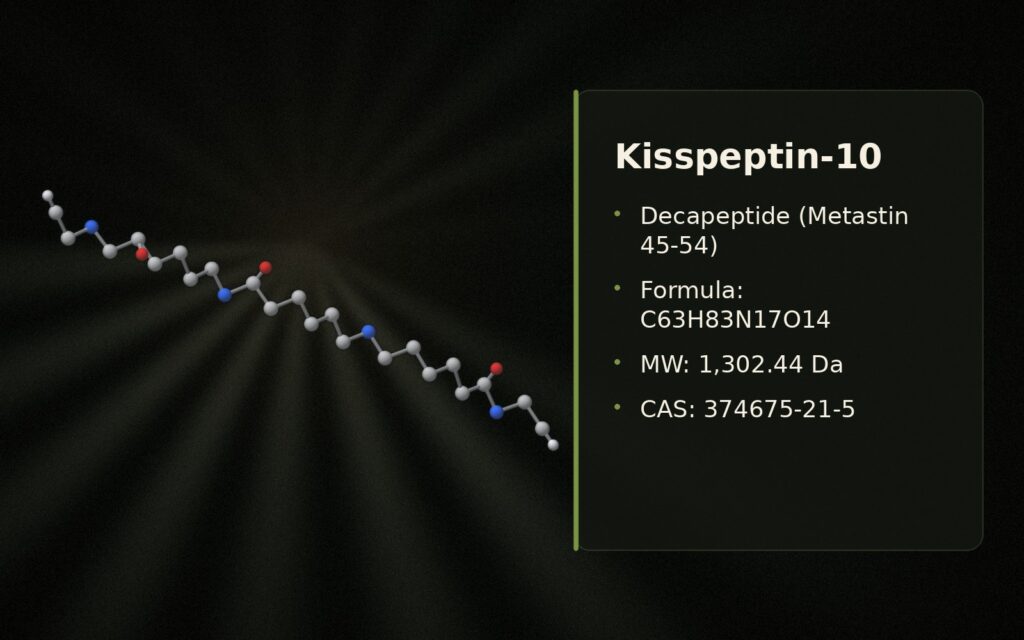
Kisspeptin-10 Research Guide: Chemical Identity, HPG Axis Mechanism, and Clinical Evidence Review

Kisspeptin-10 Research Guide: Chemical Identity, HPG Axis Mechanism, and Clinical Evidence Review

Kisspeptin occupies an unusual position among research peptides: it is the subject of one of the more substantial human clinical research literatures of any compound in this category, including multiple sponsor-run trials at academic medical centers examining its role in reproductive-hormone signaling. That research base is genuinely worth understanding on its own terms. It is

Kisspeptin-10 Research Guide: Chemical Identity, HPG Axis Mechanism, and Clinical Evidence Review Read More »

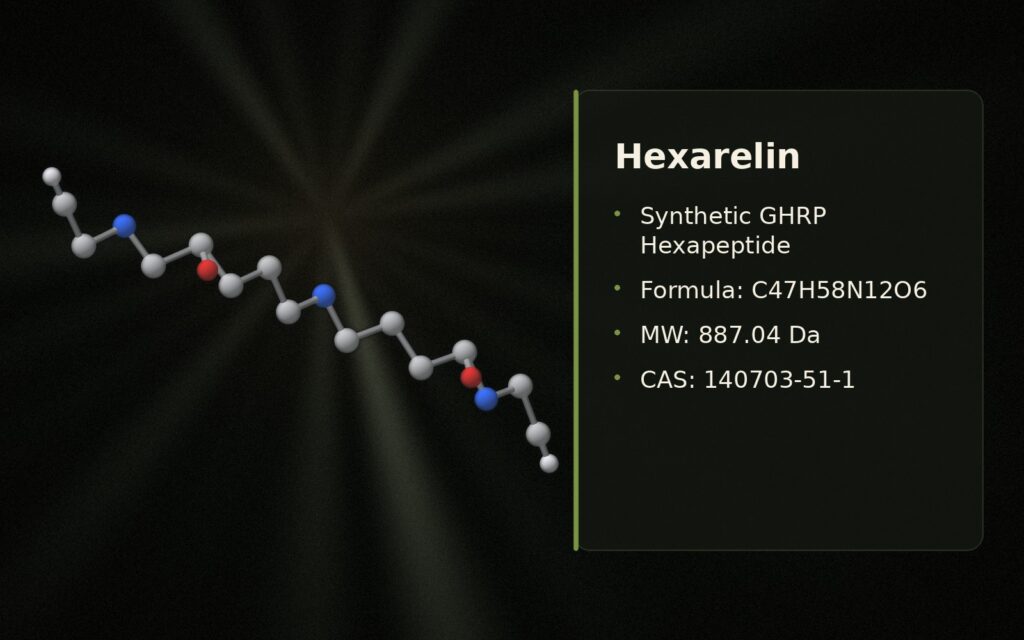
Hexarelin Research Guide: GHRP Mechanism, Human Evidence, and Regulatory Status

Hexarelin Research Guide: GHRP Mechanism, Human Evidence, and Regulatory Status

Hexarelin is one of the more extensively studied compounds in the growth-hormone-releasing peptide (GHRP) class, with a research record that is unusual among peptides sold today as research-use-only (RUO) laboratory chemicals: it includes a meaningful body of controlled human pharmacology work, primarily conducted by European academic investigators in the 1990s and early 2000s, alongside animal

Hexarelin Research Guide: GHRP Mechanism, Human Evidence, and Regulatory Status Read More »

Shopping Cart

Popular Searches